Vata Dosha - The Energy of Movement and Change

Listen to this episode on Spotify →
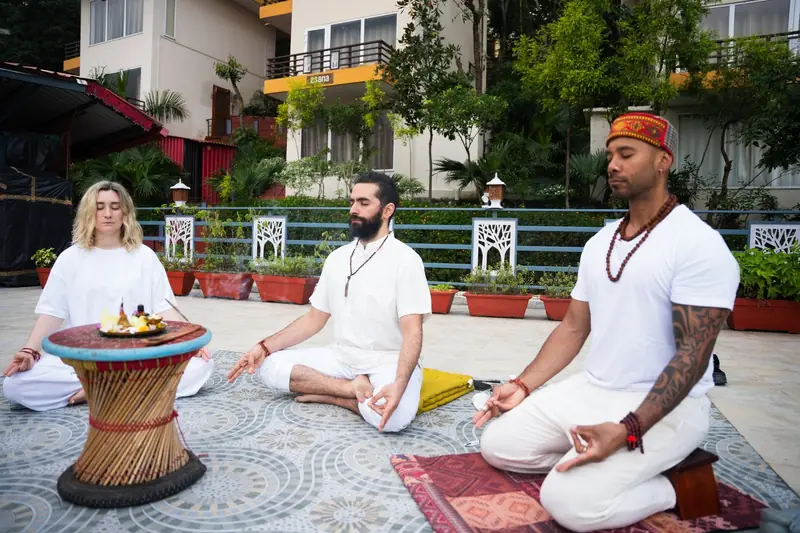
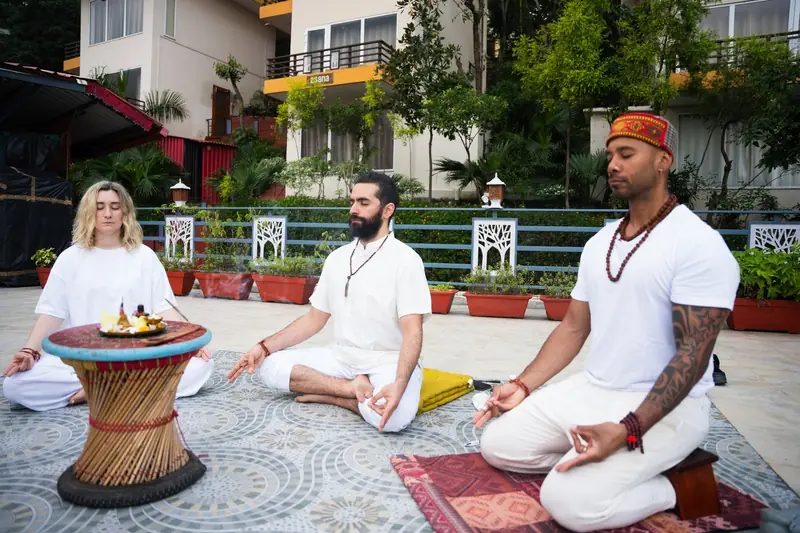
Pictured: Foothills of the Himalayas, Rishikesh
The winds of Vata move like the shifting breeze - light, subtle, and ever-changing, carrying both vitality and instability when out of balance.
What is Vata Dosha
In Ayurveda, Vata Dosha is the principle of air (vāyu) and space (ākāśa). It governs movement from breath and circulation to speech, elimination and even the flow of thoughts. As Aaron shared in the podcast:
“Vata Dosha is the wind, right? It’s the movement, it’s the air element and the space element. It’s the winds that carry things around.”
When balanced, Vata brings creativity, vitality, adaptability and inspiration. When out of balance, it can feel like a storm, scattered, anxious, restless and unstable.
Qualities of Vata
The Charaka Saṃhitā describes Vata through six key qualities:
Dry
Light
Cold
Rough
Subtle
Mobile
These qualities explain Vata’s strengths and vulnerabilities. Like wind, Vata can be uplifting and spacious or it can become a hurricane, leaving us frazzled and depleted. Paige explained:
“A lot of Vata types will be artists or musicians… they find it really easy to tap into the spiritual realm and creative practices.”
Sites of Vata in the Body
Vata shows up most clearly in five main sites, which also correlate with the five Prāṇa Vayus (winds of energy):
Head & Brain (Prāṇa Vayu) – Governs creativity, thought, receptivity.
Diaphragm & Throat (Udāna Vayu) – Speech, self-expression and communication.
Small Intestine & Navel (Samāna Vayu) – Peristalsis and digestive movement.
Colon & Pelvis (Apāna Vayu) – Elimination and downward flow.
Heart & Circulatory System (Vyāna Vayu) – Circulation of blood, minerals and prāṇa throughout the body.
As Aaron summarised:
“It’s not the bones and it’s not the muscles, but it’s the communication that allows the bones and muscles to move. That’s the power of Vata.”
View this post on InstagramA post shared by Traditional Hatha Yoga, Meditation & Ayurveda (@omsom.yoga)
Balanced Vata
When Vata is functioning smoothly, it expresses as:
Creativity and enthusiasm for life
Clarity and quick thinking
Graceful, flexible movement
Healthy, regular digestion and elimination
Connection to intuition and spirituality
Imbalanced Vata
Too much Vata leads to instability, dryness and erratic energy. Signs of imbalance include:
Dry skin, brittle hair, cracking joints
Gas, bloating, constipation
Restlessness, anxiety, insomnia
Cold hands and feet, poor circulation
Forgetfulness, overwhelm, hypersensitivity to change
“If we think about gas and bloating—it’s just too much air within the digestive tract. Constipation is dryness and roughness that makes it harder to pass.”
Bringing Vata into Balance
The antidote to Vata’s constant movement is warmth, nourishment, routine, and stillness.
Ayurvedic Lifestyle Support:
Eat warm, oily, grounding foods like root vegetables, grains, ghee and soups.
Use warming spices like ginger, cumin, black pepper.
Keep warm with scarves, gloves, layers, especially in cold, dry weather.
Establish a daily routine - same waking, eating and sleeping times.
Yoga & Pranayama:
Slow, grounding practices like Yin Yoga, Restorative Yoga, and Lunar Hatha.
Long, steady breaths with extended exhales (e.g., inhale for 4, exhale for 8).
Nāḍī Śodhana (alternate nostril breathing) for balance.
Other Practices:
Abhyanga (self-oil massage) with warm sesame oil.
Time in silence and stillness, allowing dust to settle.
Consistent, restful sleep with supportive environment (dark room, eye pillow, regular bedtime).
Aaron reminded listeners:
“So much of us in this modern world have a Vata imbalance because the world is inherently Vata-aggravated. To balance Vata is to balance all the doshas.”
Want to Learn More?
Listen to the full episode, Vata Dosha Explained: The Sacred Movement of Life & Breath, on the Om Som Yoga & Ayurveda podcast foinstr an in-depth discussion of this vital dosha.
Ready to root your yoga practice in tradition? Join our upcoming 200-Hour Hatha Yoga Teacher Training (October 2025) in Berwick, Victoria — a six-month immersive journey grounding you in the principles of Hatha Yoga, Ayurveda, and the elements.