Dosha 101 - Understanding Vata, Pitta & Kapha in Yoga & Ayurveda
Listen to this episode on Spotify →
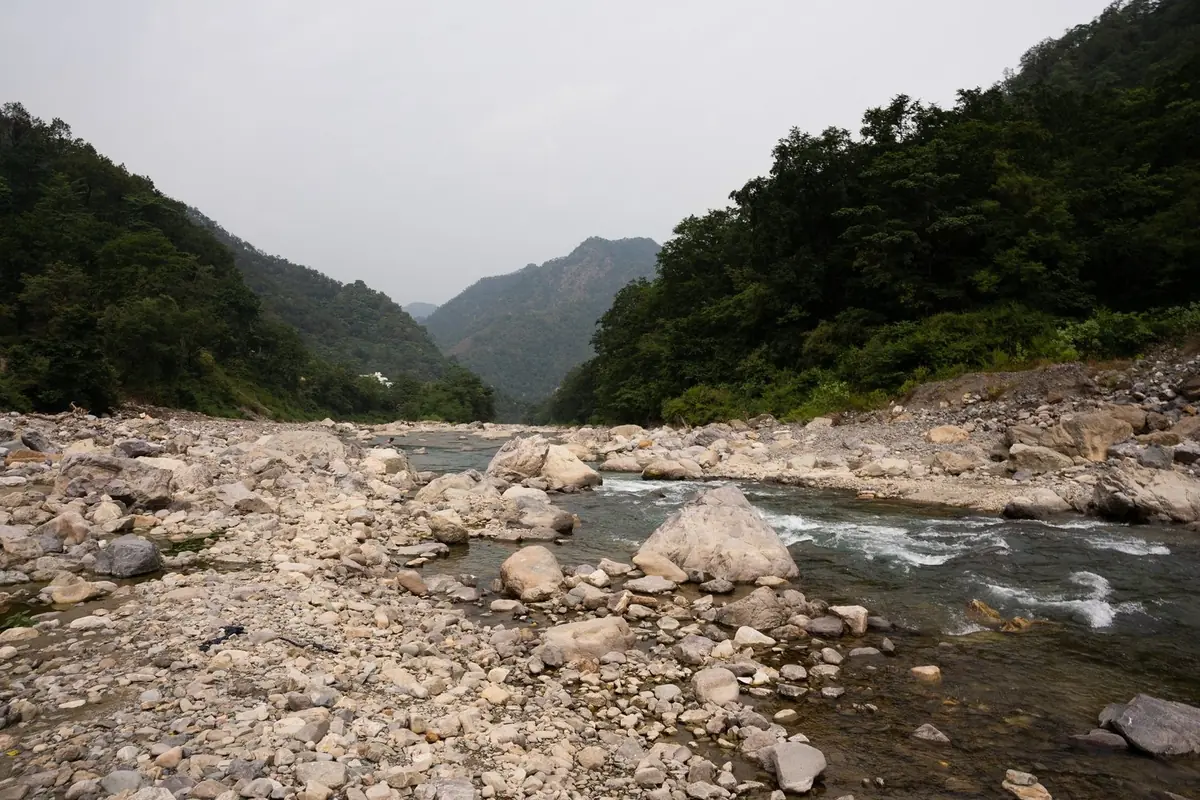
Pictured: The Ganges in Rishikesh reflects the harmony of the doshas: Vata in its flowing current, Pitta in the sunlit spark, and Kapha in its steady, nourishing depth.
In Ayurveda, dosha describes the patterns that organise our bodies and minds: Vata (air + space), Pitta (fire + water) and Kapha (earth + water). Think of them as the energetic “climates” that shape how you digest food, process emotions, sleep, move, think and shine.
Rather than a label, your dosha is a relationship, dynamic, responsive and (thankfully) workable through daily choices, practice, and seasonal rhythms.
In the simplest terms: Vata moves, Pitta transforms, Kapha builds. When they cooperate, you feel clear, energised and grounded. When they don’t, symptoms whisper, then shout.
Prakrti vs Vikrti (Your Blueprint vs Today’s Weather)
Prakrti: your constitutional blueprint (set at conception).
Vikrti: your current state or imbalance (changed by season, stress, diet, sleep, travel, etc.).
Working skilfully means noticing today’s weather (vikrti) and making choices that nudge you back toward your inherent balance (prakrti).
The Three Dosas: Qualities, Signs & Support
Vata: the Mover (Air + Space)
Qualities: light, dry, cool, mobile, subtle
When balanced: creative, enthusiastic, quick to learn, adaptable
When aggravated: anxiety, restlessness, insomnia, gas/bloating, dry skin, irregular appetite or elimination
Support Vata
Asana: slow, steady, grounding flows; standing poses; longer holds; forward folds; restoratives; finish with a generous Savasana.
Pranayama: Nadi Sodhana, gentle lengthened exhale, Bhramari.
Lifestyle: warmth, routine (meals/bedtime), abhyanga (warm oil massage), fewer stimulants and screens at night.
Food: warm, moist, simple; soups, stews, kichari; cook with ghee/olive oil; favour sweet/sour/salty tastes.
Pitta: the Transformer (Fire + Water)
Qualities: hot, sharp, light, oily, penetrating
When balanced: focused, courageous, discerning, organised
When aggravated: irritability, acid reflux/loose stools, skin rashes, red/irritated eyes, perfectionism, competitiveness, overheating
Support Pitta
Asana: cooling and spacious sequences; backbends without strain, side-bends, gentle twists; avoid over-heating/over-driving.
Pranayama: Sitali/Sitkari, relaxed Ujayi (sparingly), equal inhale/exhale.
Lifestyle: time in nature (especially water), stop before “too much,” soften self-talk, schedule breaks.
Food: cool/room-temp foods; cucumber, coriander, mint, bitter greens; moderate spice; favour sweet/bitter/astringent tastes.
Kapha: the Builder (Earth + Water)
Qualities: heavy, cool, slow, moist, stable
When balanced: calm, compassionate, steady energy, strong immunity
When aggravated: lethargy, heaviness, congestion, fluid retention, sluggish digestion, resistance to change
Support Kapha
Asana: invigorating, rhythmic flows; standing balances; stronger backbends; dynamic Sun Salutes; sweat lightly.
Pranayama: Kapalabhati, Bhastrika (if appropriate), brisk 3-part breath.
Lifestyle: get up before sunrise, daily movement, lighter dinners, declutter often, try something new each week.
Food: warm/light/spiced; ginger, black pepper, mustard seeds, millet/buckwheat; favour pungent/bitter/astringent tastes.
View this post on InstagramA post shared by Traditional Hatha Yoga, Meditation & Ayurveda (@omsom.yoga)
Seasons, Times of Day & Age: Dosa Rhythms
Times of Day:
Kapha: ~6–10am & 6–10pm (great for steady practice / wind-down).
Pitta: ~10am–2pm & 10pm–2am (main meal at midday; avoid late-night intensity).
Vata: ~2–6am & 2–6pm (creative work, meditation, subtle practices).
Seasons (Southern Hemisphere):
Late Autumn–Winter: Vata ↑ (dry, cold, windy)
Summer: Pitta ↑ (hot, sharp, bright)
Late Winter–Spring: Kapha ↑ (damp, cool, heavy)
Life Stages:
Childhood = Kapha, adulthood = Pitta, elder years = Vata.
Use these rhythms as a lens, not a rulebook.
How to Read Your Own Signals (Self-Check)
Ask yourself for the next 7 days:
Energy: steady, scattered, or heavy?
Digestion: strong, overactive, or sluggish?
Mood: spacious, fiery, or foggy?
Skin/tongue: dry/cracking; flushed/irritated; pale/greasy?
Sleep: light/variable; hot/restless; deep/heavy/difficult to wake?
If most answers cluster in one column, support the opposite qualities for a week and notice what shifts.
Yoga, Pranayama & Meditation: Putting It Together
If Vata is high: Ground first (cat–cow, long holds), then breathe (long exhale), then sit (mantra/japa, Yoga Nidra).
If Pitta is high: Move but don’t “win”; emphasise breath through the nose, cool down well, finish with a longer seated practice or guided compassion meditation.
If Kapha is high: Start with vigour (Sun Salutes, standing series), brighten the breath (Kapalabhati), sit upright (shorter, alert sits).
Principle to remember: like increases like; opposites balance.
Common Myths Busted
“I’m one dosha forever.” Most people are dual-dosha or tri-dosha blends. What matters is your current state.
“Pitta must avoid all spice.” Pitta does well with gentle spices (coriander, fennel, turmeric). It’s the overheating you’re avoiding.
“Kapha can’t rest.” Kapha needs rest—just balance it with movement and lighter foods.
“Vata can’t fast.” Aggressive fasting worsens Vata, but gentle mealtime regularity is golden.
A Gentle 7-Day Reset (Dosha-Smart)
Wake before sunrise; scrape tongue; sip warm water.
Move 20–40 minutes matched to your current imbalance (see above).
Breathe 6–12 minutes.
Eat regular meals; warm at breakfast/dinner; main meal at lunch.
Pause between tasks—three conscious breaths = mini reset.
Screens down an hour before bed; in bed by ~10pm.
Reflect one page of notes each night on energy, mood, digestion, and sleep.
Small, consistent choices > dramatic overhauls.
Want to Learn More?
Listen to the full episode, The Science of Dosha: How to Work with Your Nature, Not Against It on the Om Som Yoga & Ayurveda podcast for a deep dive into how the air element shapes our body, mind, and practice.
Ready to root your yoga practice in tradition? Join our upcoming 200-Hour Hatha Yoga Teacher Training (October 2025) in Berwick, Victoria — a six-month immersive journey grounding you in the principles of Hatha Yoga, Ayurveda, and the elements.