Kapha Dosha - The Energy of Stability, Nourishment and Love

Listen to this episode on Spotify →
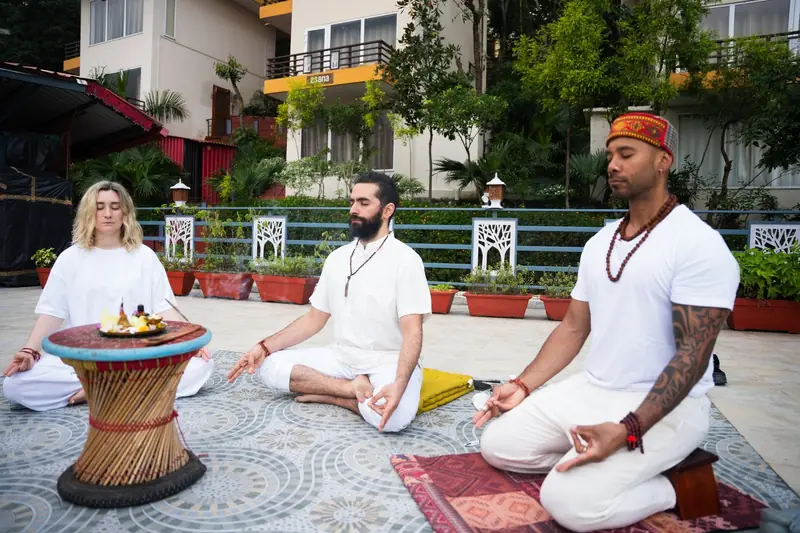
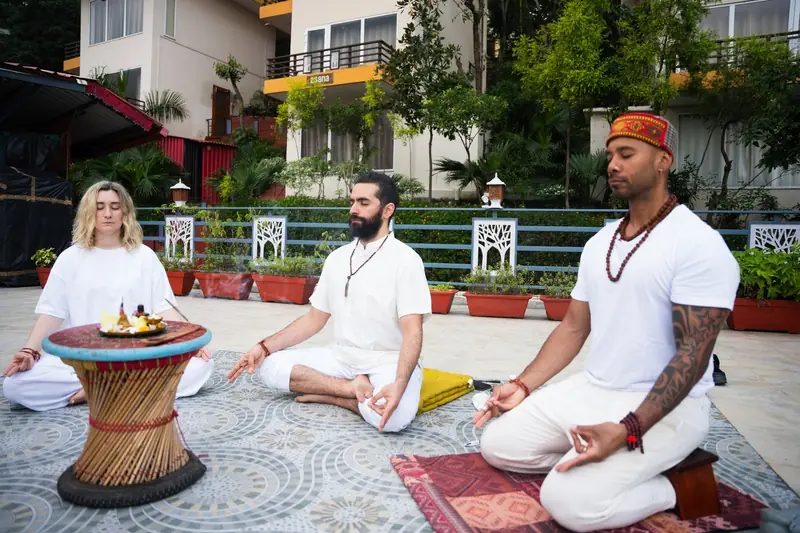
Pictured: Lina meditating by the Ganges River, Rishikesh
Kapha Doṣa is the principle of structure and cohesion in Abyurveda, the grounding force of earth and water that sustains both body and mind. When balanced, Kapha gives us stability, compassion and endurance. When out of balance, it can lead to lethargy, congestion and attachment.
What is Kapha Dosha?
Kapha is one of the three doṣas in Ayurveda, formed from the elements of earth (pṛthvī) and water (jala). It is the heaviest of the three, giving form, strength and endurance.
“Kapha dosha is the principle that governs cohesion - everything coming together, supporting one another, offering lubrication, structure and stability in both body and mind.”
The Sanskrit roots also reveal its essence: Ka (water) + Pha (to flourish or grow). Kapha is the nurturing water that allows life to thrive.
The Qualities of Kapha
From the Caraka Saṃhitā, Kapha is described by the following guṇas (qualities):
Heavy (guru)
Cold (śīta)
Slow (manda)
Oily (snigdha)
Smooth (ślākṣṇa)
Dense (saṃghāta)
Stable (sthira)
Cloudy (avila)
“These are not just Kapha’s weaknesses, they are also its strengths. To be heavy is to be grounded, to be slow is to be mindful and present.”
View this post on InstagramA post shared by Traditional Hatha Yoga, Meditation & Ayurveda (@omsom.yoga)
Primary Sites of Kapha in the Body
Kapha is expressed in five main locations, all of which involve protective or nourishing fluids:
Chest and Lungs – mucus lining that protects and filters the respiratory system.
Joints – synovial fluid that cushions movement.
Stomach – mucosal lining that protects against digestive fire.
Mouth and Saliva – the first stage of digestion.
Brain and Nervous System – cerebrospinal fluid, nourishing and calming the mind.
“Think of Kapha like the rivers that nerve impulses flow through—it lubricates and nourishes so the whole system can communicate efficiently.”
Kapha in Balance
When Kapha is balanced, we experience:
Steady energy and consistent routines
Strong immunity and resilience
Compassion and emotional stability
Deep, restful sleep
Endurance in both body and mind
Paige describes it beautifully:
“Kapha dosha is the essence of motherly love. It protects, nourishes, and holds space for both ourselves and others.”
Kapha Out of Balance
Excess Kapha can show up as:
Lethargy, heaviness, resistance to movement
Mucus congestion, chesty coughs, sinus issues
Water retention and sluggish digestion
Emotional attachment, stubbornness or possessiveness
Depression or inertia of the mind
“Kapha imbalance can feel like not wanting to get out of bed, or everything being difficult. But the same qualities that weigh us down can also be our medicine.”
Balancing Kapha
Since Ayurveda works on the principle that like increases like, and opposites bring balance, Kapha is pacified by lightness, warmth, and movement.
Lifestyle Tips:
Wake before sunrise to avoid Kapha heaviness.
Favour dynamic exercise or invigorating asana sequences like Surya Namaskar.
Avoid daytime naps except in summer or illness.
Break routine with new experiences.
Practice non-attachment (aparigraha) to release emotional stagnation.
Dietary Support:
Eat light, warm, dry foods such as steamed vegetables, lentils, and whole grains.
Use pungent, bitter and astringent tastes (ginger, turmeric, leafy greens).
Reduce heavy, oily, sweet foods and dairy.
Sip warm teas like ginger or cinnamon instead of cold drinks.
Yoga for Kapha
A Kapha-pacifying practice should stimulate and energise:
Dynamic flows like Sun Salutations
Inversions such as Headstand
Strong, heat-building postures and arm balances
Prāṇāyāma practices like Kapalabhāti to clear stagnation
Meditations that focus on lightness and clarity
“Kapha doesn’t always want to move, but once momentum is built, it finds incredible consistency and endurance.”
Final Thoughts
Kapha is often misunderstood as simply heaviness or lethargy, but in truth it is the energy of love, stability and nourishment. When balanced, Kapha offers the groundedness we need to thrive, the compassion to connect with others, and the resilience to endure life’s challenges.
Want to Learn More?
Listen to the full episode, Kapha Dosha Explained: Stability, Stagnation & Spring Renewal on the Om Som Yoga & Ayurveda podcast for a deep dive into how the air element shapes our body, mind, and practice.
Ready to root your yoga practice in tradition? Join our upcoming 200-Hour Hatha Yoga Teacher Training (October 2025) in Berwick, Victoria — a six-month immersive journey grounding you in the principles of Hatha Yoga, Ayurveda, and the elements.