Agni—The Fire Element in Yoga & Ayurveda

Listen to this episode on Spotify →
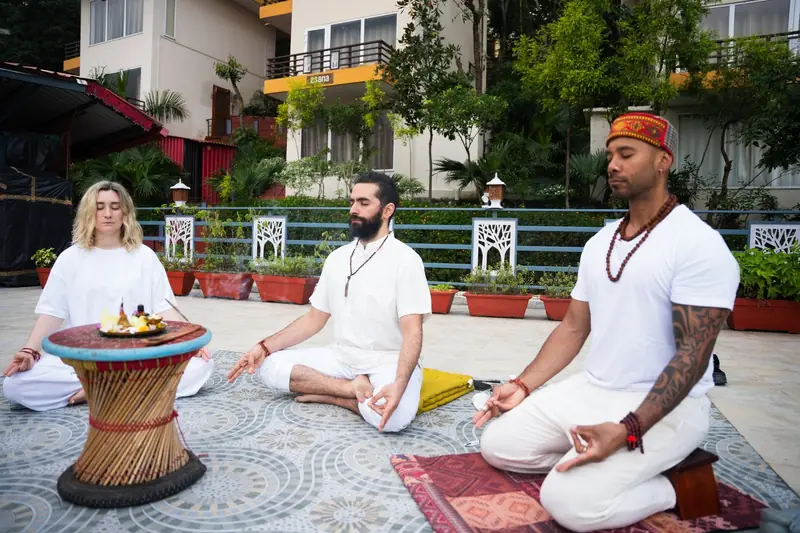
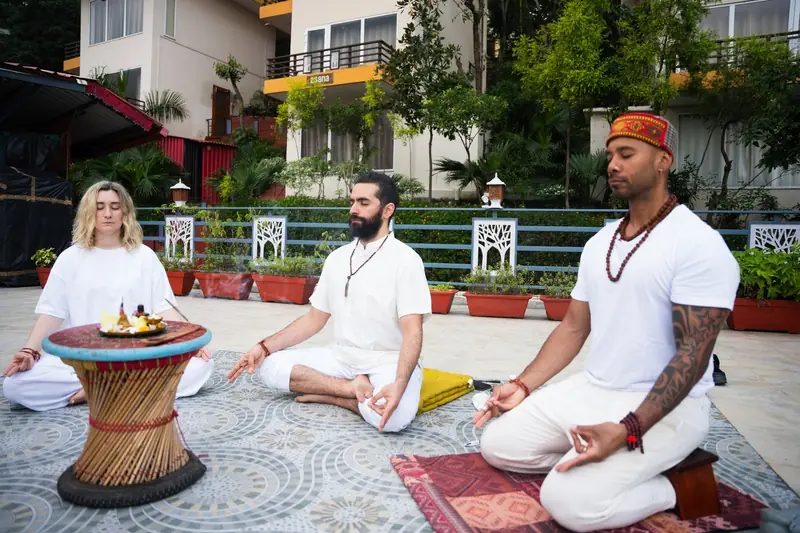
Description: our 300 Hr YTT graduates practicing Agnihotra (fire ceremony)
Agni — the fire element — fuels transformation in body, mind, and spirit. From digestion to discipline, this radiant force is both a physical and spiritual teacher. Learn how to work with fire to cultivate vitality, clarity, and inner strength.
What is Agni?
In Sanskrit, Agni means “fire” and refers to both the tangible flame and the subtle heat within us. In Vedic tradition, Agni is personified as Agni Deva, one of the most revered deities, known as the messenger between humans and the gods. In fire ceremonies (homa), offerings are placed into the flames — symbolically delivering our intentions to the divine.
Fire is transformative: once something is touched by flame, it is never the same. In Ayurveda, Agni governs digestion, metabolism, and the ability to process not only food but also thoughts, emotions, and life experiences.
Qualities of the Fire Element
In Ayurveda, the gunas (qualities) of Agni are:
Ushna – Hot
Tikshna – Sharp
Laghu – Light
Ruksha – Dry
Sūkṣma – Subtle
Fire produces heat, sharpens perception, and transforms matter into more refined forms — just as it transforms the body and mind in yoga practice.
Signs of Imbalance
Excess Fire
Anger, irritability, impatience
Inflammation, heartburn, skin rashes
Over-competitiveness or dominance
Sharp speech or confrontational nature
Deficient Fire
Sluggish digestion, bloating, constipation
Low energy, dullness, lack of motivation
Poor decision-making, low self-esteem
Difficulty initiating change
View this post on InstagramA post shared by Traditional Hatha Yoga, Meditation & Ayurveda (@omsom.yoga)
Fire in Yoga Practice
Asana: Twists, core work, and dynamic flows like Surya Namaskar stimulate digestive fire (Jathara Agni). Challenges — whether physical strength or stillness — build tapas (discipline).
Pranayama: Heating breaths such as Kapalabhati, Bhastrika, and Ujjayi cultivate warmth and energise the body.
Meditation & Visualisation:
Trataka – gazing at a candle flame to focus the mind
Visualising a red, radiant triangle at the navel (Manipura Chakra)
Chanting the seed sound Ram, igniting inner strength
Fire in Daily Life
Eat warm, cooked meals with digestive spices like ginger, cumin, and black pepper.
Maintain a consistent daily routine that includes healthy challenge.
Build a relationship with the sun — observe sunrise and sunset, practice Agnihotra.
Engage in activities that push you beyond your comfort zone.
Why Work with Agni?
Fire teaches transformation. In yoga, it is linked to tapas — the friction that leads to growth. As Aaron says, “On the edge of discomfort is transformation.” By cultivating fire wisely, we develop vitality, clarity, and the courage to lead ourselves through life.
Want to Learn More?
Listen to the full episode, Agni: The Fire Element in Yoga & Ayurveda on the Om Som Yoga & Ayurveda podcast for a deep dive into how the fire element shapes our body, mind, and practice.
Ready to root your yoga practice in tradition? Join our upcoming 200-Hour Hatha Yoga Teacher Training (October 2025) in Berwick, Victoria — a six-month immersive journey grounding you in the principles of Hatha Yoga, Ayurveda, and the elements.