Sustainable Fashion
Here is a video summarising this blog post for those that need/prefer an audio & visual element. However if you have the space please read through my whole post to really grasp this concept.
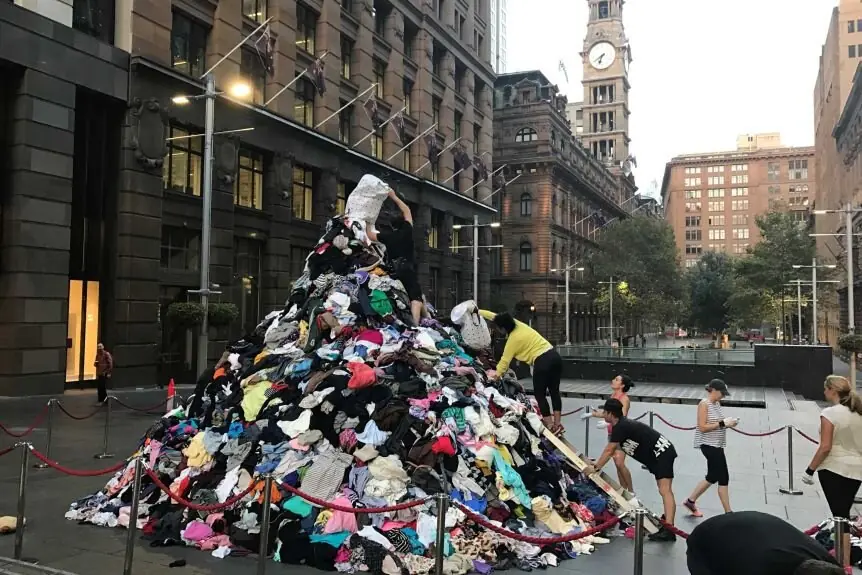
In Australia, roughly 6000 kilograms of clothing is dumped into landfill every 10 minutes. Pieces of clothing that are slightly stained, have a broken zipper or have are just ‘not fashionable’ anymore, disposed of as if they no longer have a purpose in this world. Our society has developed into one where everything is disposable and we aren’t encouraged to think of innovative ways to up-cycle & recycle items that we no longer need. So, where does it all go? The answer is into the Earth, and not in a good way! There are 2,600 Landfills within Australia alone, which are just extremely large holes in the ground where waste companies bury our rubbish into the ground… That’s a pretty shocking way to deal with rubbish right? It’s just like pulling the rug on top of it & pretending like it doesn’t exist. Landfills & Waste Management is really another topic of discussion that is just as horrific & important to discuss, however all you really need to know here is that landfills are a terrible way to manage waste and actually produce methane, carbon dioxide, ammonia & sulphides, posing harmful consequences on both the environment as well as the health of surrounding communities. The real question is how do we combat this horrible statistic and make decisions that are based in sustainable and ethical practices when it comes to fashion?
“Sustainable fashion in the simplest terms is the production of clothing, shoes & accessories that do not cause harm or impose danger to the workers, animals and the environment.”
Sustainable fashion in the simplest terms is the production of clothing, shoes & accessories that do not cause harm or impose danger to the workers, animals and the environment. In practice this encompasses quite a lot. In relation to socio-economics & human rights, this means transparency of fair & safe working conditions (working environment, labour, legal rights & wages) to all people involved in the production of the items; those who farm the fibres, those who manufacture the products, those who transport the items & those who sell the finished product. In terms of materials, it is important to consider what they are made from, where & how they are farmed and manufactured, the durability, repairability & life-cycle of the fabric, whether they can be recycled or how they will degrade at the end of their wearable life. Shopping sustainably also asks us to examine the environmental impacts of the products whilst it is being manufactured, whilst it is being transported, whilst it is being worn as well as at the end of its life.
I know this seems like an incredible amount of things to consider when you are buying your staple white t-shirt, but if you campaign for human rights, animal rights or the preservation of the environment on your Instagram, this is how you can make a difference in your every day life.
In this post, I will really break this whole ‘Sustainable Fashion’ thing down for you and arm you with incredible resources, knowledge & brands so that you are empowered to support companies that support all aspects of life on this Earth.
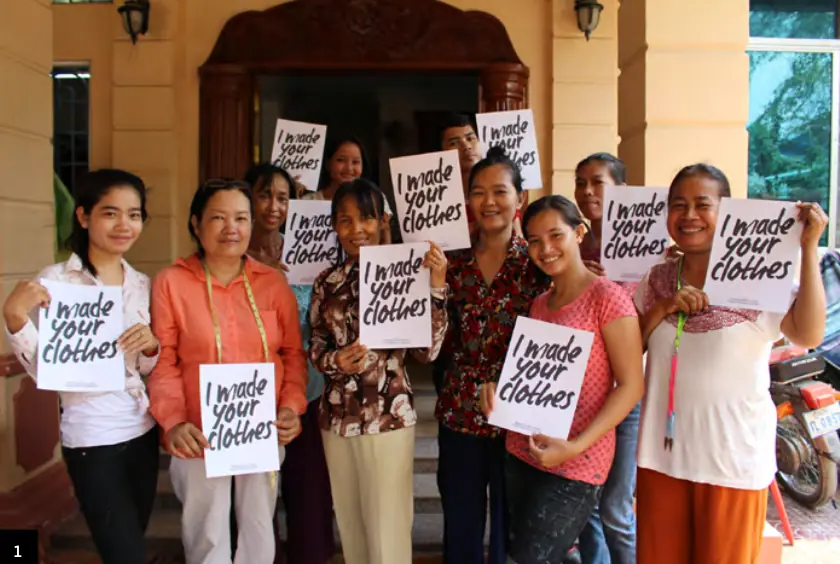
Human rights are one of the most important pillars of Sustainable Fashion
I want to start by asking you who made the clothes that you are wearing right now? If this has caught you off guard and you have no idea, start by flipping your shirt inside out & looking the label inside, where are your clothes made? Bangladesh, China & Vietnam are some of the most common answers if you are wearing anything mainstream, and do you want to know why? In Bangladesh, the local minimum wage equates to just 39 Australian cents an hour. In Vietnam it is just 64 cents and in China it is 93 cents. Now, consider how much you paid for that t-shirt, let alone how much you get paid where you work… Do you see the problem?
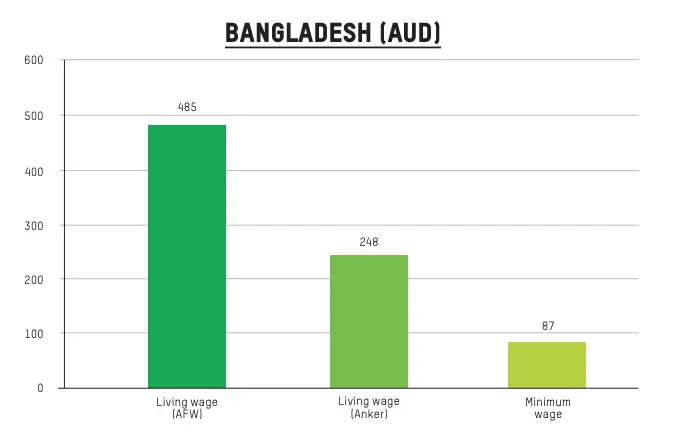
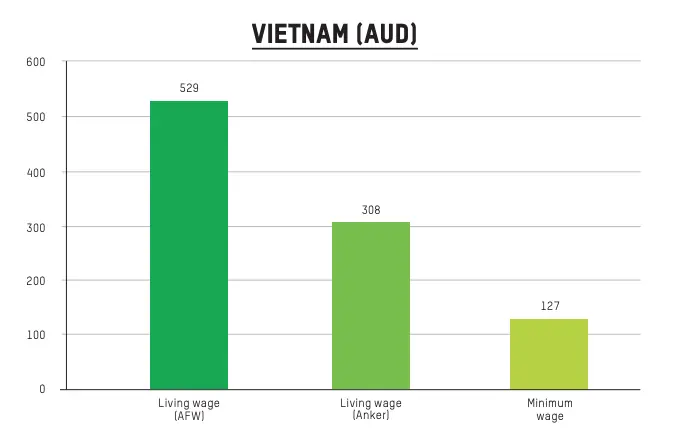
The legal minimum wage in majority of the countries where garments are produced is nowhere near enough for the workers to live on. It is estimated that the minimum wage only covers 60% of expenses whilst living in a slum. This keeps workers in a cycle of poverty, they are pressured to work an extreme number of hours each week whilst not earning enough to live, let alone to pull themselves out of poverty. This is where ‘living wage’ comes in, which simply put allows workers to adequately support themselves and a small family, whilst being able to save a small amount of money for times in need. There has been a massive push for companies to ensure that all of the people involved in manufacturing their garments are paid a living wage. Which would increase the percentage of the retail price being paid directly to the workers from 2-4% to 5%, a tiny increase of 1%, even if we as consumers had to wear that cost, its only 50 cents per $50 item. It seems like a small price to pay to ensure fair and safe working and living conditions for all.
Although there are international standards and national laws that should prevent dangerous working conditions, child & forced labour, discrimination of all kinds & sexual harassment, the breaching of human rights is incredibly prevalent in the fashion industry. The Global Slavery Index estimates that 36 million people are living in some form of modern slavery today, and us as westerners, are contributing to that by supporting fast fashion brands without questioning their supply chain. However, as a consumer you have the power to change this, each time we purchase something, we are voting with our dollar, so lets start voting for a better future for all.
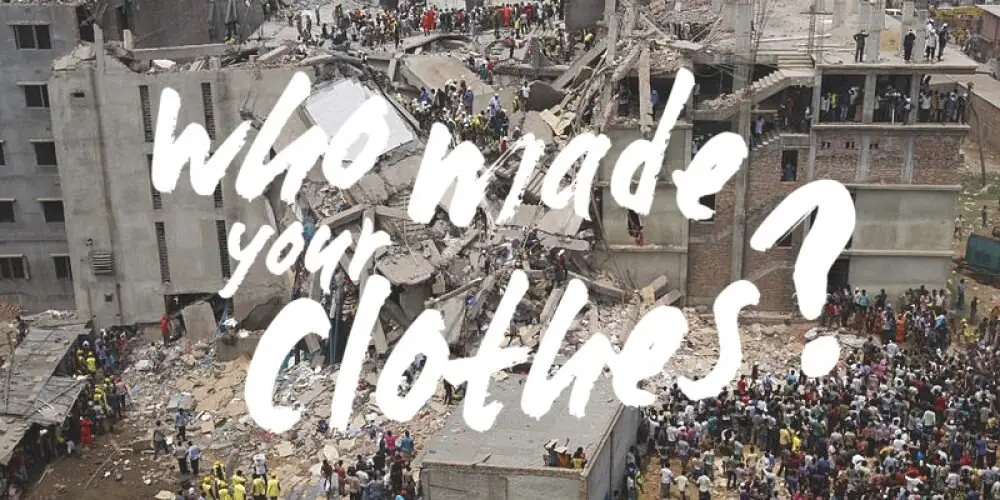
In 2013, on the 24th of April, Rana Plaza, a building that housed multiple garment factories in Bangladesh, collapsed. In the horrific incident, over 1,100 people were killed and 2,500 severely injured. Most major fashion brands proceeded to deny responsibility for the incident, claiming that they had no idea if their fashion items had been produced there. This sparked demand for transparency among the fashion industry about who made their clothes, where they were being made & the conditions in which they were being made, thus began the Fashion Revolution.
Sustainable Fashion also demands transparency on how the materials and fabrics are made and exactly what they are made of
There are two categories of fabric, natural & synthetic. Whilst it may seem obvious that natural fabrics are the most sustainable & synthetic not so much, this isn’t always the case. Whilst cotton is a natural fibre, the conventional methods of farming require vast amounts of water as well as harmful chemicals, which has extreme effects on our health as consumers as well the environment. GOTs certified Organic Cotton is paving the way for a more sustainable & safe cotton production; recycled cotton is also a better alternative to regular cotton as the fibres are upcycled or recycled from post-consumer or post-industrial waste, reducing waster & energy consumption as well as keeping garments out of landfill. Hemp and Linen are incredible natural fibres that require very little water and no need for harmful pesticides and insecticides. As for synthetic fabrics, polyesters (anything with poly in the name), nylon and acrylics which are made from plastic / petrochemicals which are derived from fossil fuels. These fibres do NOT break down and create huge pollution problems, they release of toxins onto our skin when worn and shed hundreds of thousands of microplastics into our waterways when washed. However, there are some pretty epic companies that create fabric from discarded fishing nets any much more plastic waste, like ECONYL, which is then sold to fashion companies and designed and made into Swimwear and other garments. Whilst this is such an incredible initiative, I prefer to wear fabrics that are organic and natural so no harmful toxins make their way into my body or my local waterways. Rayon & Viscose is synthetic fabric made from a wood pulp usually from the destruction of habitat and then treated with hazardous chemicals. As for Bamboo, which is generally marketed as ‘sustainable’, the fabric is usually treated the same was as Rayon with incredibly harmful chemicals. However, there are sustainable alternatives such as Tencel & Lyocel that are made with closed loop processes which are often bought in by brands and then produced into garment. Finally, the question of animal products such as leather, silk & wool. Personally, I don’t believe the production of any animal products should be classified as sustainable as the animals are either harmed or killed, that being said products that have been made from these materials will often have less impact on the environment and are less harmful to humans. I would never suggest or support buying these products brand new however if it falls within your personal ethics, purchasing them second hand (thus not directly supporting the demand of these animal products) is always a great option.
Another important aspect of materials in sustainable fashion is the durability, repairability & life-cycle of the fabrics. I don’t know if you have noticed, but often those $10 t-shirts from fast fashion labels don’t usually last you longer than 12 months because they rely on a constant buying relationship with consumers in order to make profits. Therefore when we are creating a sustainable wardrobe for ourselves it is important that we are purchasing garments that are made to last, usually these are made with the natural and sustainable fabrics as well as crafted with care often by hand. This typically means a higher price point, but consider it an investment that will last you 10 years rather than a bargain you have to re-purchase every 12 months. Repairing clothes is really a lost art and is incredibly sustainable when done correctly, some retailers like Nudie Jeans offer free repairs when you have purchased their products which is an incredible initiative which prevents lots of garments heading to landfill.
Finally, it is also super important to consider what will happen to your garments when they have reached the unwearable end of their life. It circles back to the material what each garment is made with, if you have something that is 100% cotton, that hasn’t been dyed or has been dyed with vegetable inks, then it is likely that you can compost it which is pretty cool but I suggest ALWAYS checking with the brand who made it. The only other option is clothing recycling collection points and in Australia there are limited options Both Zara and H&M offer textile recycling of any brands at majority of their stores; items that can be resold will be, items that can be reused into other garments will be and finally items that are unwearable & un-reusable, the textiles will be recycled and made into new garments. While this is a super epic initiative, it definitely does not mean that these Fast Fashion Moguls have a clean slate when it comes to sustainable fashion. There was some research that whilst H&M has saved an equivalent of roughly 260 million t-shirts from landfill since the textile recycling program began in 2013, they are alone selling 1.3 billion pieces of clothing each year… It’s definitely a start and they are well on track to becoming more transparent with their sustainability practices. Whilst this may seem overwhelming and a lot to consider, I will give you some really tangible & easy to follow tips & tricks to shopping for sustainable fabrics a little later in the action part of this blog.
‘Both Zara and H&M offer textile recycling of any brands at majority of their stores; items that can be resold will be, items that can be reused into other garments will be and finally items that are unwearable & un-reusable, the textiles will be recycled and made into new garments.’
The final pillar of Sustainable Fashion is the environmental impacts of the fashion industry
I have already outlined the harmful effects of conventional farming of cotton, rayon, viscose & bamboo as well as the disastrous shedding of microplastics from the synthetic fabrics, so just note these as having a negative effect on the environment but we can definitely dig a little deeper here. Clothing & garments actually make up 3% of total Carbon Dioxide emissions around the world. These emissions arise not only when the garments are produced but in the way in which they are transported to us, washed by us and also how they are disposed of. As mentioned previously, most synthetic fibres (mainly polyester) are made from plastic, which is made from oil, the extraction and processing of this material produces roughly 655 million tonnes of CO2 emission each year, not only this but each piece of clothing needs 2700 litres of water to be manufactured, it all seems quite excessive right? This is not even taking into consideration the amount of emissions that are used in transportation, the packaging of the garments or those that are released by the 315 million kilograms of clothing that is ‘decomposing’ in landfill every year…
Luckily for us there are some seriously sustainable brands that use natural fibres or even recycled materials to manufacture their garments, offset their transportation carbon by partnering with organisations that plant trees & ship in compostable packaging!
Sustainable Fashion is such a vast concept and encompasses so many different practices to ensure the safety of people, animals and the environment. Whilst it may seem overwhelming, it is important to understand that as consumers, we have the power to change this industry for the better. Each time we are purchasing a garment we are empowering that brand to keep doing what they are doing, good or bad. So next time, you are looking to buy a new shirt, remember you have a voice and you have the ability to voice exactly what is important to you as a consumer, and doing so holds brands accountable, empowering them to be transparent in all aspects of business.
Here are some resources to help you on your Sustainable Shopping Journey
Download the ‘Good On You’ and ‘End Poverty’ Apps to see how your favourite brands rank in ethical & sustainable practices & discover new brands
Use the ‘Ethical Made Easy’ Website to see how your favourite brands rank in ethical & sustainable practices & discover new brands
Do your own research with the ‘Baptist World Aid - Ethical Fashion Guide’ and ‘Fashion Transparency Index’
Fashion Revolution Resources - Click Here
Oxfam ‘What She Makes’ Resources - Click Here
Sustainable Materials ‘Good On You Blogs’ - Click Here
Buy a ‘Guppyfriend Washbag’ to prevent microplastics entering our waterways when washing polysters
Clothing/Textile Recycling Programs - Click Here
Watch ‘The True Cost’ and ‘Minimalism’ on Netflix
My favourite Sustainable brands are Hara the Label, Pinky and Kamal (they are looking to transition to natural dyes) and Indigoluna
Actively seek out and support sustainable brands
Get loud and ask your favourite brands specific questions (guided questions can be found below) about their sustainability practices - DO NOT BE FOOLED by the one page on their website labelled ‘Sustainability’ - its a form of greenwashing
Educate yourself and those around you & inspire others to SHOP SUSTAINBILY
Here are some general guidelines for Shopping Sustainably
Can you buy the item secondhand?
Join a few Facebook Buy-Swap-Sell Groups of brands that you love!
Download the Depop App, an incredible app that allows you to buy & sell any fashion items, with a great search function so you can find exactly what you are looking for!
Shop at Op Shops. Find great pieces at incredible prices whilst supporting charities!
Shop at Vintage Shops. Find pieces you didn’t even know you were looking for!
If you can’t find what you want second hand or its not appropriate, can you support brands that make items on demand or as a custom order?
First of all this is a really great way to support small business. Smaller business’ tend to make smaller quantities of products and in some cases even make them to order. This is especially great if you have unique sizing requirements or have specific design ideas.
Purchasing pieces like this make them completely unique to you which is pretty special and rare in this modern age.
It is important to support companies that actively participate in this specific model as they are producing slow fashion, opposed to mainstream brands that produce thousands of the same pieces hoping that they will be purchased.
Does the product you are purchasing have a low carbon footprint? Is it eco-friendly in all aspects of its lifecyle?
This really speaks to ensuring the fibres are farmed organically or in a way that’s in harmony with the environment. Whether renewable energy and water sources are utilised in production. If they are transported in the most environmentally friendly way possible and engaged in a carbon offset program. If the fibres can be recycled or broken down naturally in a compost at the end of life.
Is the product you are purchasing made in a fair and ethical way? Ensuring that no harm is caused to humans or animals whilst in production.
Is the brand transparent about where the pieces are made, who makes them and the environment in which they are made? Does the brand commit to paying their workers a ‘living wage’? Does the brand utilise any ‘materials’ that inflict harm or death on animals?
Can you rent, lease or swap the item?
If you are looking for a high-end outfit or brand to wear to a special event, see if you can find it on for hire/rent. There are so many incredible Instagram & Depop pages, just search ‘Fashion Hire Melbourne’ or wherever you are located.
If you have a wardrobe full of expensive fashion pieces that you can seem to part with but don’t wear them very often, see if you can start leasing them! It is a great way to make a little bit of extra cash whilst supporting people who don’t want to purchase a new outfit every weekend!
Clothing Swaps are so much fun and so great for the Environment! You can host one at your workplace, your school or even at your house. Just gather a group of people and bring any pieces of clothing that you no longer wear and swap them around for free. You could even use the event as a fundraiser for an organisation of your choice.
Are you purchasing something that’s high quality and of a timeless design?
It is important to consider the materials that the product is made of when it comes to quality. Ensuring that sustainable fibres have been used and that they are made lovingly by hand where appropriate. It is also important to note that we should be following the wash guidelines on each garment and handwashing where possible to ensure the upkeep of our clothing.
Timeless design is an important aspect of sustainable fashion and something that isn’t considered all too often. Supporting brands that don’t follow mainstream fashion trends is important here… There are so many wonderful brands that have their own unique style and whilst they may change patterns and colourways, their pieces will always be timeless.
When damaged can this product be repaired? When at the end of its life how can it be repurposed or recycled?
Does the brand you are purchasing from have a repairs program? Can you take it to your local tailor to be repaired?
If still wearable can you sell or swap the item to someone second hand? Could you donate it to an op shop?
If its unwearable can you upcycle it into something else eg. Cleaning rag? Can you recycle the garment through a recycling program? Can it be put in your compost?
Here are some questions to ask your favourite brands to encourage Accountability & Transparency
Sourced from Fashion Revolution & my own personal experience
Gender Equity
What policies do you have in place to make sure women working in your supply chain don’t experience verbal, physical and sexual harassment?
Fair Pay
Do you know how many workers in your supply chain earn a living wage rate, as defined by the Global Living Wage coalition?
How are you working to ensure that all of the workers in your supply chain can exercise their right to join a union?
Do you ensure that all of your workers have easy access to sufficient healthcare & education where necessary?
Water Contamination
Do you publish a ‘restricted substances list’?
Do you adhere to the Zero Discharge of Hazardous Chemicals (ZDHC) commitment?
Carbon Emissions
Do you publish your annual carbon footprint, for your own operations and your entire supply chain?
Do you have a goal to reduce your carbon footprint?
What is your target carbon footprint by 2025?
Do you offset your emissions?
Ocean Plastic
Do you have a strategy in place to eliminate plastics from your packaging?
Will you commit to eliminating virgin polyester from your supply chain?
Do you disclose what you are doing to reduce microfibre shedding from your clothing?
Would you consider using the fabric ECONYL, which is actively recycling ocean plastic into materials that can be produced into Swimwear and other garments?
Do you ship in compostable packaging?
Deforestation
Do you source viscose and man-made cellulose materials from sustainably managed forests, through initiatives such as Canopy?
Would you consider working with companies like Lyocel and Tencel that produce sustainable fabrics through a closed loop process?
Safe Working Conditions
Do you conduct independent audits to every factory you source from?
Do you require mandatory fire & safety training for the people who make your clothes?
Do you have any programs or partnerships in place to improve worker health & safety?
Do you have direct relationships with those that make your clothes?
How do you ensure & demonstrate safe working conditions for everyone in your supply chain?
Modern Slavery
Do you publish your 2nd (processing facilities) and 3rd tier (raw materials) supplier lists to help NGOs and independent organisations perform due diligence around modern slavery further down the supply chain?
Waste and Landfill
Do you incinerate your unsold stock?
Do you send returned items bought online to landfill?
What practices do you have in place to reduce pre-consumer and post-consumer waste?
What do you do with your offcuts, damaged goods and other supply chain waste?
Animal Welfare
Do you publish an animal welfare policy?
Do you source mulesing-free wool?**
Are you signed up to any animal welfare and animal sourcing transparency intiatives, including the Leather Working Group, Responsible Down Standard, Traceable Down Standard or Responsible Wool Standard?**
** If purchasing animal products directly is within your personal ethics… It is not something I personally agree with
Materials and Dyes
What fabric are your garments made with?
How and where are they farmed/produced? (Eg. Organically Farmed or Sustainably Sourced)
Do you use vegetable-based dyes to ensure no harmful chemicals absorb into the consumers body or our water ways?