An Ayurvedic Conversation on Grounding Vata with Myra Lewin
Listen to this episode on Spotify →
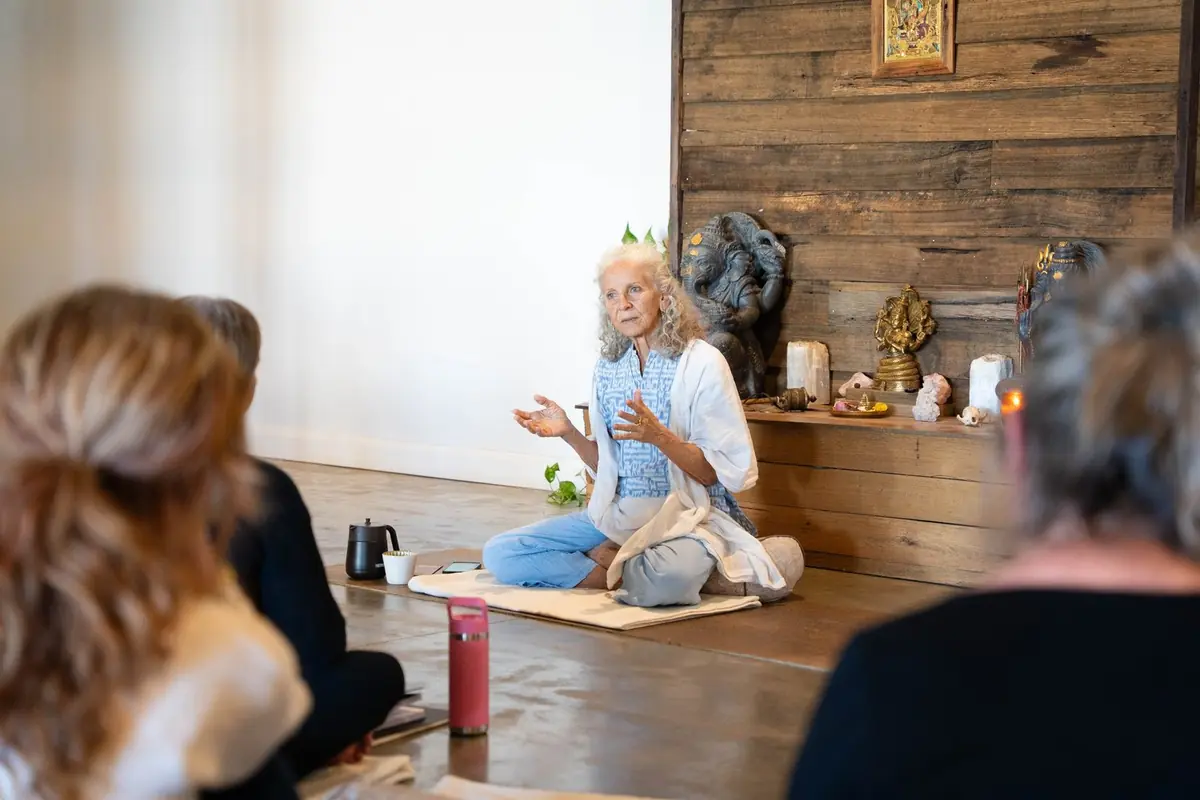
Pictured: Myra Lewin
Grounding is one of the most overused words in the modern wellness space, yet one of the least understood. In Ayurveda, grounding is not a metaphor. It is a measurable felt experience of being fully in the body, anchored in the present moment, and aware of both your internal terrain and the environment around you. We are joined by Ayurvedic teacher and founder of Hale Pule, Myra Lewin, to explore what grounding truly means, why so many people feel ungrounded today, and how returning to the earth element stabilises the mind, strengthens the nervous system and reconnects us with the deeper purpose of life.
What Does It Mean To Be Grounded
Myra explains that grounding begins with embodiment. She says, “To be grounded means I have a sense of my whole body and I am fully in the body all the way into my feet and toes.” This is the opposite of the common feeling of being “out of the body” or drifting up into the head. Ayurveda recognises this ungrounded state as a sign of elevated Vata dosha. When Vata rises, energy lifts out of the lower body and into the upper centres which leads to disconnection, spaciness and difficulty staying present. Myra speaks about proprioception as a foundation of grounding. Proprioception is the awareness of where the body is in space. When we lose this awareness, we bump into things, feel wobbly, forgetful or mentally scattered. She recounts moments like driving for five minutes without remembering the journey. “That was one of the signs that I had learned meant I was not grounded.” Awareness is the root of yogic practice, and grounding is the first step.
Why So Many People Feel Ungrounded Today
According to Myra, modern life is perfectly designed to aggravate Vata. Excessive movement, overstimulation, constant travel, irregular routines and screen-based living all pull energy upward. “We do a lot of things now that have us move away from that sense of grounding,” she says. Diet plays a major role. Many people eat light, airy, dry foods or rely on smoothies, fasting, skipping meals or inconsistent eating patterns. “Too many light foods, too many airy foods, too much drinking our food instead of eating it,” she explains. Sleep is another key pillar. When sleep is poor in either quality or quantity, the mind becomes unstable and the body struggles to integrate the day’s experiences. When grounding diminishes, people begin seeking intensity. They gravitate toward extreme practices, extreme emotions, extreme exercise or extreme environments to feel something. Myra explains, “When we are not grounded we look for bigger experiences because we are disconnected and want to feel alive.” Ayurveda teaches that extremes are never the path to balance. Moderate, consistent actions bring true stability.
The Link Between Vata Imbalance and Disembodiment
Many people describe ungrounded states using words like dissociation, anxiety or numbness. Aaron notes that this often feels like “sitting back and watching life happen without participating in it.” Myra confirms that this is classic Vata imbalance. When Vata is high, the connection to the body weakens which means the connection to life weakens. “My life in this time exists in the body,” she says. When that connection loosens, fear rises because the mind cannot locate a sense of safety. Over years or decades, this leads to poor decision making, an unstable inner world and a tendency to act from fear rather than clarity.
Grounding Foods That Support Stability
Grounding begins with food. Myra emphasises augmenting foods which build tissue and provide nourishment without heaviness. These include whole grains, sweet vegetables and foods with the natural sweet taste. She explains, “The augmenting food gives us energy, helps us feel grounded but also gives a certain lightness that does not come with meat.” She encourages practitioners to observe how they feel after eating. A grounding meal leaves the body relaxed, energised and mentally clear. It does not create heaviness or sleepiness an hour later. Sitting for a few minutes after eating helps strengthen this awareness.
Simple Grounding Practices for Everyday Life
Myra offers several accessible practices that anyone can begin immediately. Visualising a grounding cord from the base of the spine to the centre of the earth is a simple and powerful method. “Where we put our attention is where our energy goes,” she explains. Regrounding is especially important when arriving in a new place after travelling. Another key practice is shifting awareness to Ajna chakra, the space between the eyebrows. Although grounding is often associated with the pelvis, Myra reminds us that clarity and presence arise from keeping awareness centred in Ajna. This allows us to stay both anchored and alert. Moving slowly, tuning into sensations, maintaining regular meal times, sleeping consistently and choosing one grounding practice to commit to each day all help stabilise Vata. “You only need to take one step,” she says. “You do not need to do it all.”
View this post on InstagramA post shared by Traditional Hatha Yoga, Meditation & Ayurveda (@omsom.yoga)
The Long Term Impact of Ungroundedness
If ungroundedness persists for years, the effects accumulate. Physically, the body becomes either too thin or too heavy. Mentally, decisions are made out of fear. Life feels overwhelming, disconnected or directionless. Myra explains that when people reconnect with their bodies and choose regularity, “they come back to themselves and discover themselves as a whole new person.” She has seen people’s physical appearance change as they ground, with brighter eyes, softer skin and more joy. “People begin to feel valuable and then they start offering valuable things in life.”
Why Grounding Supports Spiritual Growth
Many practitioners believe that spiritual progress requires rising above the body, but Myra reminds us that the opposite is true. “My ability to be conscious out of my body was directly connected to my ability to be in my body.” Grounding creates the stability required for deeper meditation and authentic spiritual connection. Ayurveda and yoga work together to prepare the body, clear the mind and cultivate inner clarity. Myra says, “When we let go to the change that needs to happen, it is always better than what was before.” This is the heart of spiritual practice.
Myra Lewin’s Personal Sadhana
Myra’s grounded presence is the result of decades of consistent practice. She wakes at 4:15, performs fire ceremony and chanting, practices pranayama, meditation and asana, then enjoys a grounding breakfast. Abhyanga, Snehana (oil practices), mindful eating, nature walks after meals and gratitude before sleep all form part of her daily rhythm. Her asana practice is structured across the week with grounding poses, backbends, inversions and yin postures woven throughout. She performs some Surya Namaskar every day. “I find it to be a very powerful practice because it is so good for the mind. It requires you to be there.”
Key Takeaways
Grounding is essential for mental clarity, emotional steadiness and spiritual growth. Vata imbalance is widespread because modern life is fast, mobile and overstimulating. Simple, consistent routines stabilise the nervous system and support long term wellbeing. Grounding is not about becoming heavy. It is about becoming present. Ayurveda and yoga work together to bring the practitioner home to themselves. Start with one grounding practice and commit to it daily.
Want to Learn More?
Listen to the full episode, An Ayurvedic Conversation on Grounding Vata with Myra Lewin, on the Om Som Yoga & Ayurveda podcast for an in-depth discussion.
Ready to root your yoga practice in tradition? Join our upcoming 200-Hour Hatha Yoga Teacher Training in Sri Lanka (July 2026), a six-month immersive journey grounding you in the principles of Hatha Yoga and Ayurveda.